Career-Ready Skills for Students: Preparing Young Learners for the Future
September 4, 2026
Introduction
Education is no longer limited to textbooks, examinations and academic scores. While strong subject knowledge remains important, students also need practical abilities that help them manage real-world situations. As technology, workplaces and career opportunities continue to evolve, schools have an important role in preparing students for a future that may look very different from today.
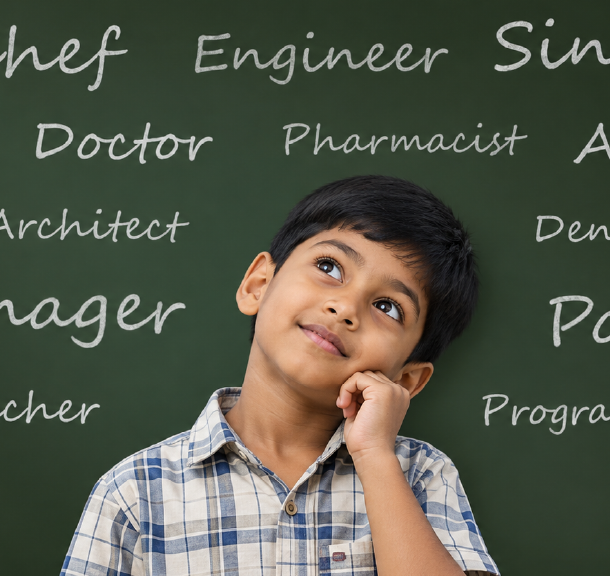
This is where Career-Ready Skills for Students become important. Career readiness is not about asking students to choose a profession at an early age. Instead, it is about helping them develop the skills, confidence and mindset needed to explore opportunities, make informed decisions and adapt to changing circumstances.
The careers available to today’s students may include roles that are still developing or may not yet exist. Because of this, preparing students for one specific job is not enough. They need transferable skills that can support them across different fields and professional environments.
At Sunbeam International School ICSE, learning can extend beyond traditional academics by encouraging students to think independently, communicate effectively, collaborate with others and approach challenges with confidence. These experiences can help students gradually develop the foundation they need for higher education and future careers.
Critical Thinking and Problem-Solving
Critical thinking is one of the most valuable skills students can develop during their school years. In the real world, problems rarely come with a clearly defined question and a single correct answer.
Students may eventually need to evaluate information, understand different perspectives, identify problems and decide how to respond. Developing these abilities early can help them approach unfamiliar situations more confidently.
Knowing information is useful, but knowing how to use that information is even more important.
Classroom activities can encourage students to move beyond memorisation. Research projects, experiments, discussions and open-ended assignments can give them opportunities to analyse information and develop their own conclusions.
Problem-solving activities can also teach students that making mistakes is part of the learning process. When students are encouraged to examine what went wrong and try another approach, they begin to understand that a difficult problem does not necessarily mean they have failed.
Learning to Ask Better Questions
Curiosity plays an important role in critical thinking. Students who ask questions such as “Why does this happen?” or “What would happen if we changed this?” are learning to explore ideas more deeply.
Teachers can encourage this curiosity by creating classrooms where questions are welcomed and students have opportunities to investigate topics independently.
Over time, this approach can help students become more confident thinkers who do not simply accept information without examining it.
Communication Skills
Communication is another essential part of career readiness. Almost every professional environment requires people to communicate with others.
Students may need to write emails, explain ideas, participate in meetings, deliver presentations or discuss projects with teammates in their future careers. Developing communication skills at school gives them an opportunity to practise these abilities gradually.
Good communication is not only about speaking. It is also about listening and understanding.
Students can develop communication skills through presentations, debates, classroom discussions, storytelling, writing activities and group projects.
Speaking in front of classmates can also help students become more comfortable expressing their thoughts. With regular practice, they can learn how to organise their ideas, choose appropriate language and communicate with greater clarity.
Listening Is Part of Communication
Effective communication involves two sides. Students need to learn how to express their own opinions while also respecting what others have to say.
Active listening can help students understand different perspectives, respond appropriately and work more effectively with others.
These abilities become increasingly important as students move into higher education and professional environments.
Teamwork and Collaboration
Modern workplaces often involve people working together to achieve shared goals. Students can begin developing these abilities through classroom collaboration and group activities.
Teamwork teaches students how to share responsibilities, communicate with others and contribute to a common objective.
A successful team is not one where everyone thinks the same way. It is one where different ideas can work together.
Group projects can introduce students to different working styles and personalities. They may learn that some team members communicate differently or approach problems from another perspective.
Learning how to manage these differences can prepare students for collaborative environments later in life.
Handling Disagreements
Disagreements are a normal part of teamwork. Students can learn to handle differences respectfully rather than avoiding them completely.
Teachers can guide students towards listening to different opinions, discussing solutions and reaching practical agreements.
These experiences can build interpersonal skills that are useful in education, employment and everyday life.
Conclusion
Preparing students for the future requires more than academic knowledge. Skills such as critical thinking, communication, digital literacy and teamwork help students become confident, adaptable and responsible individuals. By developing these abilities through everyday learning experiences, Sunbeam International School ICSE can help students build a strong foundation for higher education, future careers and lifelong success.