Play is often seen as a break from learning. In reality, it is one of the ways children learn best.
When children climb, build, imagine, negotiate, explore and try again, they are doing far more than passing time. They are developing skills that support learning, confidence and independence.
Play builds judgement
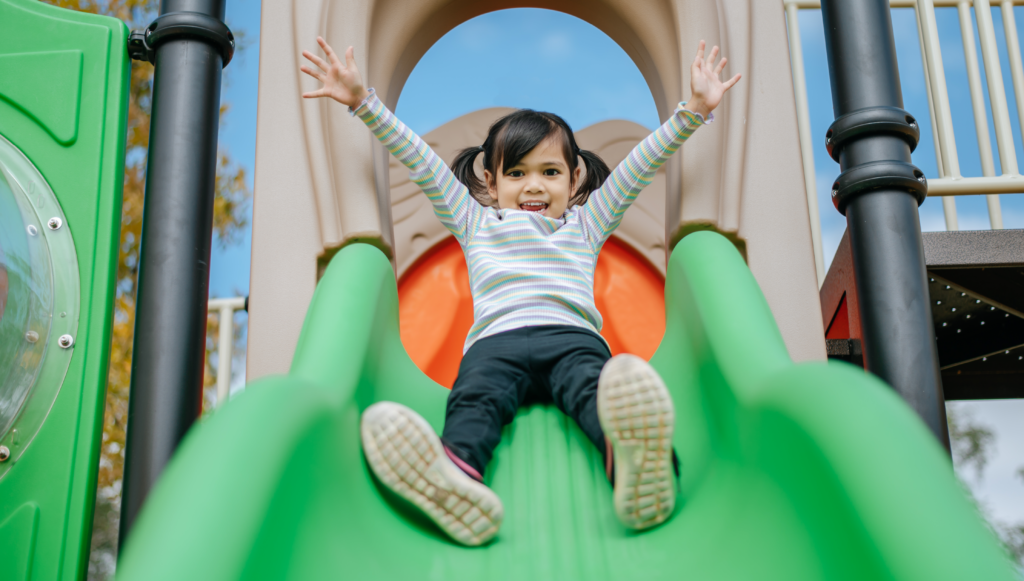
A child climbing a structure has to make constant decisions.
Where should I place my foot? Can I reach the next step? Should I keep going or come down?
These small choices help children assess situations, take manageable risks and make decisions for themselves.
Judgement is not developed only through instructions. It also grows through experience.
Movement develops coordination
Running, balancing, jumping and climbing all require the body and brain to work together.
Children learn to judge distance, control movement and improve balance through repeated physical experience.
This kind of play supports coordination in a natural way because the child is not simply following a set exercise. They are responding to the environment around them.
Building encourages problem-solving
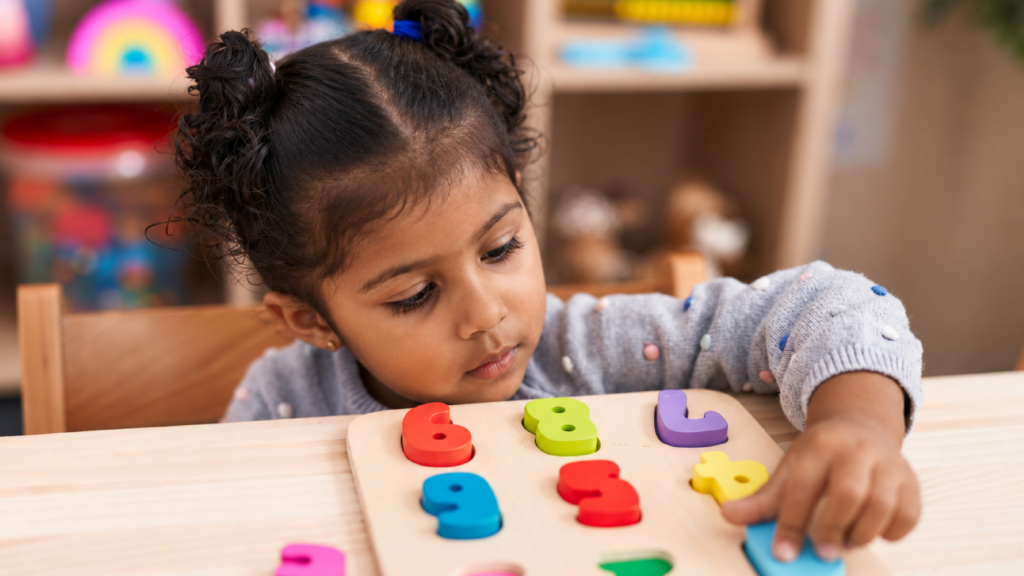
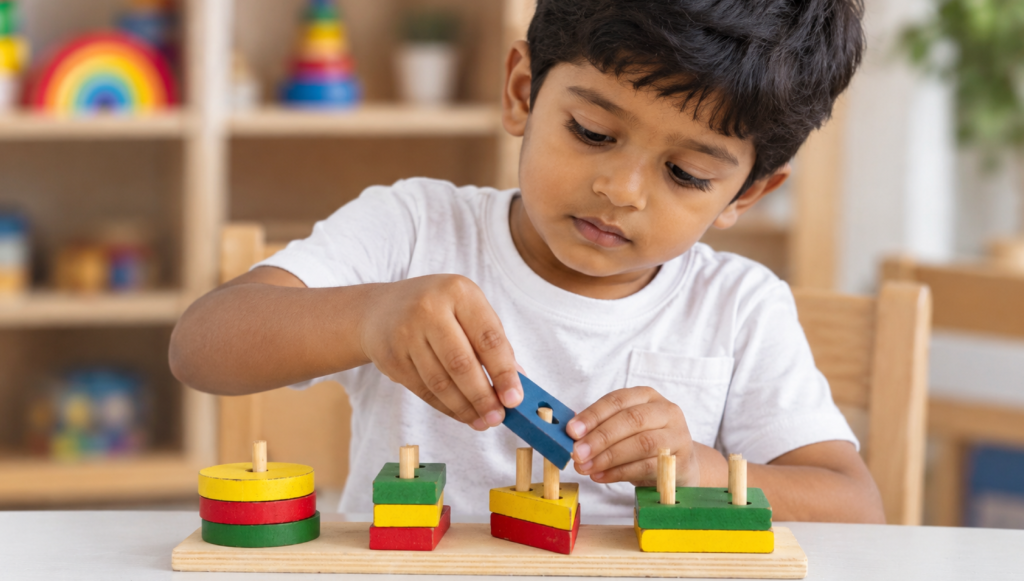
When children build with blocks, sand, loose materials or construction toys, things do not always work the first time.
A tower may fall. A structure may not balance. A plan may need to change.
This is where valuable learning happens.
Children begin to test ideas, notice what went wrong and try a different approach. They learn that failure does not always mean stopping. Sometimes it simply means adjusting.
Imaginative play develops creativity
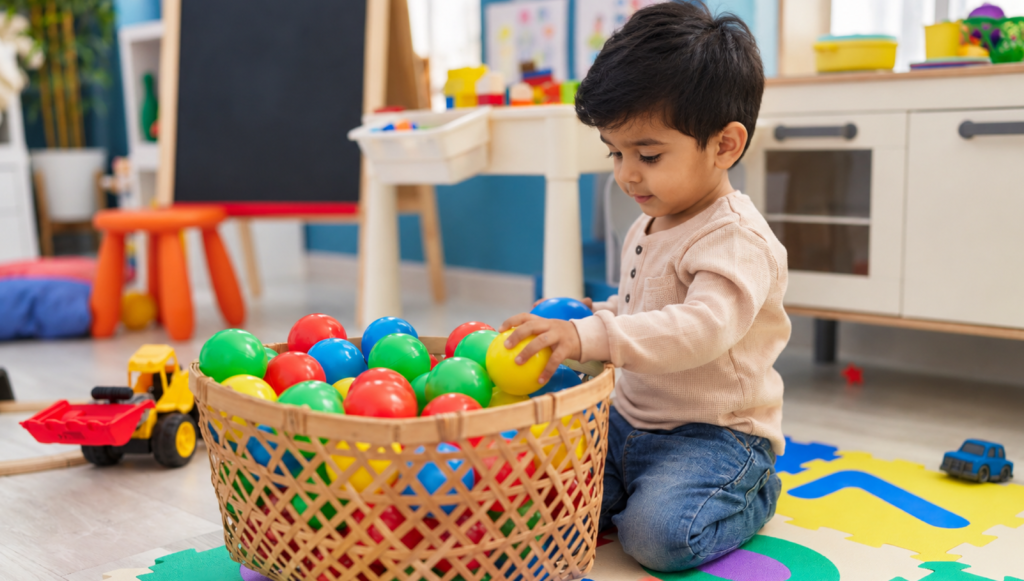
When a child turns a box into a house, a stick into a tool or a playground into an imaginary world, they are practising creative thinking.
There is no single correct outcome.
The child has to invent, interpret and make decisions.
Imaginative play gives children the freedom to create possibilities rather than simply follow instructions.
Play teaches negotiation
Some of the most important lessons in play happen between children.
Who goes first? What are the rules? How do we share? What happens when someone disagrees?
Through these moments, children practise communication, cooperation and compromise.
Adults can guide when needed, but children also benefit from having opportunities to work through smaller disagreements themselves.
Trying again builds persistence
Play naturally includes challenge.
A child may fail to climb something the first time, struggle to complete a structure or lose a game.
Then they try again.
Persistence grows through these repeated experiences.
It is easier for children to understand resilience when they experience it for themselves rather than only hearing adults talk about it.
Play is not the opposite of learning
Some of the most meaningful learning does not look like a lesson.
It looks like movement. Experimentation. Conversation. Imagination. Trial and error.
When children are given meaningful opportunities to play, they are not simply being kept busy.
They are learning how to make decisions, solve problems, work with others, trust their abilities and keep going when something is difficult.
Play does more than fill time. It helps children practise how to engage with the world.