The Next Generation of Schools: What Makes a Campus Truly Future-Ready?
July 17, 2026
What Schools Will Look Like in the Future: Here's What Parents Should Expect
Introduction
Walk into a classroom today. It is already very different from the one you sat in when you were a kid. If you wait for ten years the difference will be even bigger. You will see screens of chalkboards kids working together to solve problems instead of sitting quietly at their desks and a curriculum that cares about how kids feel and what they know.
This change can be scary for parents who are trying to imagine what is coming.. Once you understand where things are going it is actually nice to know. Schools are not stopping academics they are just adding more to it. The future of education is about getting kids ready for life not for exams.
Here is what the future of schools looks like and what you can do about it now.
Schools are Now Focusing on Personalized Learning
For a time one teacher would teach the same lesson to thirty kids at the same time no matter who was ready to move on or who was falling behind. This way of teaching is finally changing.
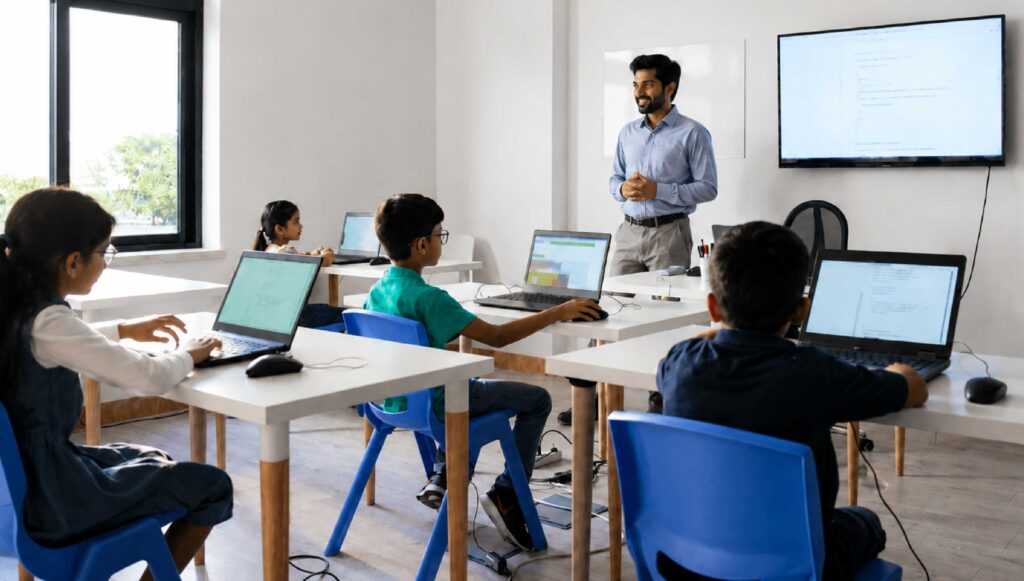
Every kid learns differently. Some kids need to see things some need to build things. Some need to talk about things. Modern classrooms are using technology to track what each kid is good at and what they struggle with. This means that kids who are good at math can move ahead and kids who need time with reading do not feel rushed.
The result is not better grades. It is kids who feel capable because they are learning at their pace.
What Role Does Artificial Intelligence Play
Artificial intelligence is often seen as a thing in education because people think it will replace teachers.. That is not what is happening. Artificial intelligence is being used to help teachers and kids. It flags where a kid is stuck generates practice material that’s right for them and gives instant feedback so kids do not have to wait to know if they are doing something wrong.
This frees up time for teachers to actually sit with kids who are struggling and figure out what is going wrong. Artificial intelligence does not replace the part of teaching it helps it.
Technology is Becoming a Part of the Classroom
Classrooms are Becoming Interactive
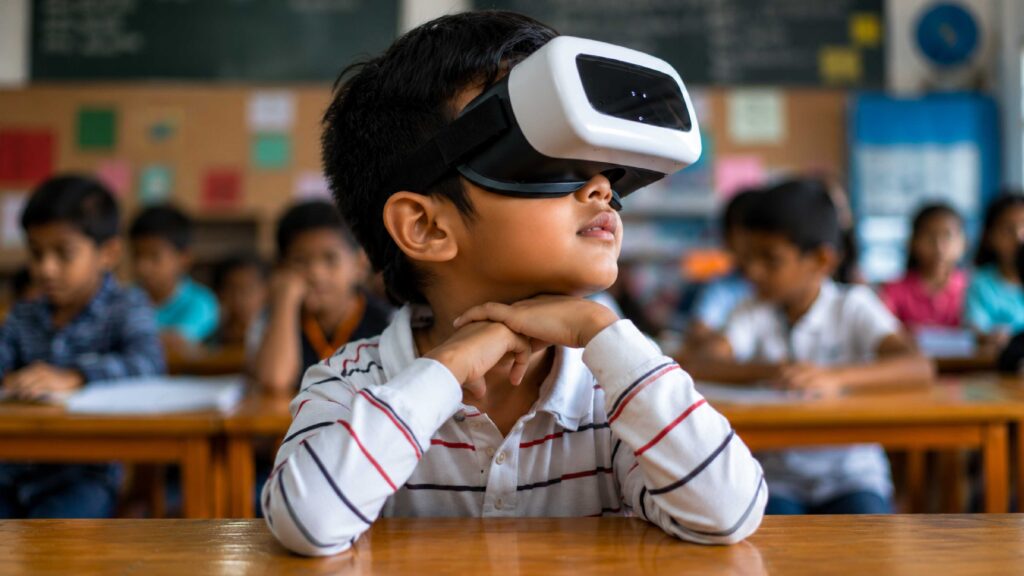
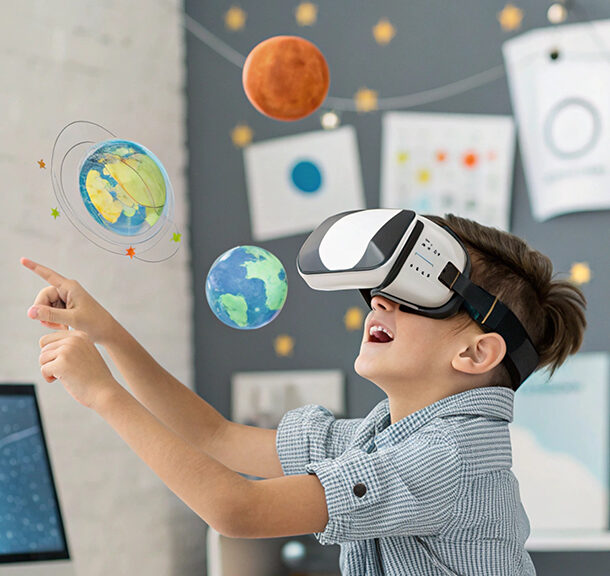
Virtual reality tools, digital platforms and interactive whiteboards are making lessons more like experiences than lectures. A history class can walk through Rome instead of just reading about it. A science class can run a simulation of just watching a diagram. Kids can work on a project with a classroom on the side of the world.
This is not a fancy way of teaching. It actually helps kids pay attention and learn. When kids are engaged they are more likely to remember what they learn.
Being Good with Technology is a Necessary Skill
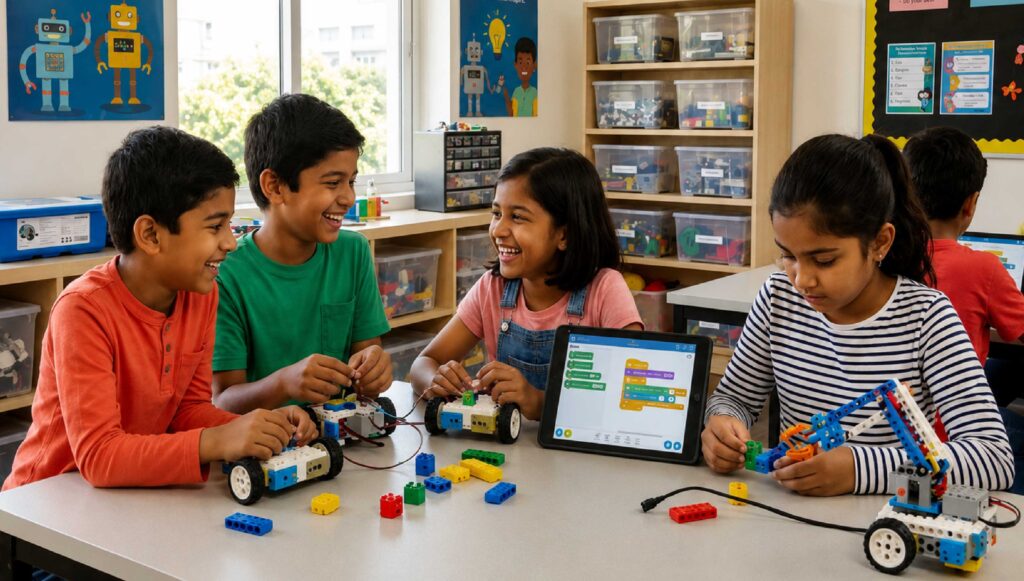
Being comfortable with technology is not optional anymore it is as important as reading and writing. Kids are learning to code communicate online and use tools from a young age.
The truth is that many jobs that kids will have in the future do not exist yet. The best way to prepare them is to teach them how to adapt to technology not just memorize what is available today.
Life Skills are Just as Important as Academics
Critical Thinking is More Important than Memorization
If you ask adults what they actually use from school it is rarely the facts they memorized. It is the ability to think through a problem and find a solution. Schools are finally teaching kids how to think not just memorize facts.
Emotional Intelligence and Well-Being are Also Important
Schools are finally treating health as part of education. Kids are learning how to manage stress navigate friendships and build self-confidence. These are skills that many adults are still working on.
Parents and Schools are Working Together
Parents can now stay updated on their kids progress through updates direct messaging with teachers and real-time platforms. This means that problems can be caught early and successes can be celebrated.
Parents are Also Involved in the Learning Process
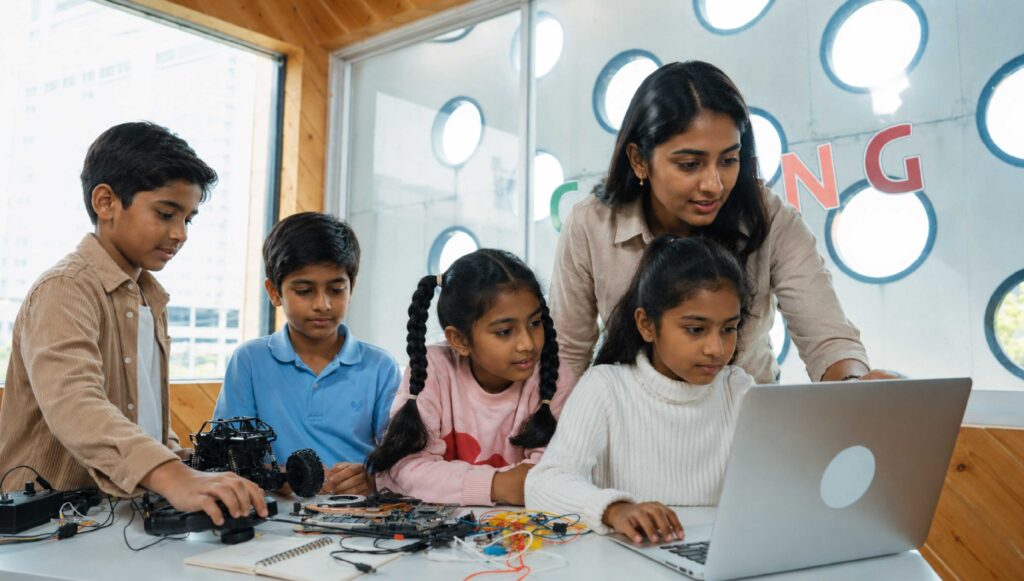
Schools are treating parents as partners, not bystanders. They are offering resources and guidance so learning can continue at home. When kids get support both at home and in the classroom they are more likely to thrive.
Getting Kids Ready for Future Careers
The job market of the future will reward kids who can adapt, lead and communicate clearly. That is why schools are teaching entrepreneurship, financial literacy, environmental awareness and global citizenship alongside subjects.
This does not replace math or science it complements it. Knowing facts is half of what kids need to know knowing what to do with them is the other half.
Teaching Kids How to Learn
The goal of education is not to fill kids heads with facts that might be outdated soon. It is to build a love of learning so when the world changes kids know how to adapt.
What Parents Can Do Now
You do not have to wait for the future to start preparing your kid.
Encourage your kid to be curious. Let them ask questions explore ideas that interest them and read widely. A kid who loves learning will always have an edge.
Balance screen time with life. Technology is a tool, not a substitute for play, conversation and hands-on experience. Finding this balance is important.
Build your kids confidence by giving them independence. Let them make decisions solve their problems and occasionally fail safely. Resilience is not taught in one lesson it is built over time.
The Bigger Picture
At Sunbeam International School this is not a vision it is what we are building today. Innovation, thinking, creativity and emotional well-being are part of our curriculum, alongside strong academics and individual attention for every kid.
The classrooms of the future will not be defined by textbooks and test scores. They will be defined by confident emotionally grounded kids who know how to think for themselves and feel supported both at school and, at home.
This is not a future we are preparing kids for it is one we are already building, together.